




Listen to the latest episode of Credit Exchange with Lisa Lee
Published in London & New York
10 Queen Street Place, London
1345 Avenue of the Americas, New York
Creditflux is an
company
© Creditflux Ltd 2026. All rights reserved. Available by subscription only.


Q&A Brad Marshall
‘It’s going to be very good for opportunistic deals’
Brad Marshall, Blackstone’s global head of private credit strategies, is optimistic about the fourth quarter. He spoke to Creditflux’s Lisa Lee at the Debtwire Private Credit Forum in New York
Lisa Lee: What opportunities are you seeing in direct lending and private credit? Because right now, private equity is not really doing LBO deals.
With the retail outflows, it’s taken a lot of capital out of the system. With the headlines, it’s created a lot of uncertainty. This is a very good time to be an investor. When you have supply and demand imbalance, and you have broader concerns in the market, you can do things that are more opportunistic. You can price your deals wider with less leverage.
Brad Marshall: Any time it’s hard to raise capital, it’s always easier to invest capital. So actually, investing right now is pretty interesting. When everyone’s fearful, you can try and get some spread premium. The market had gotten very complacent as everyone, I’m sure, can appreciate.
The deal environment is still very slow though. So a lot of the deals we’ve been doing are public companies and life science, or a lot of AI infrastructure-type investments.
My expectation is that, as we move through the balance of the summer, it’ll look a lot like last year. Last year, remember, we had this tariff war... It started to resolve itself more completely in June, and then the latter half of last year [was] extremely active. The fourth quarter for us was our busiest quarter since 2021, and I feel like this year has the potential to play out very similarly. The difference is that I think in this fourth quarter you’ll still have less retail flow, and so the supply and demand for private credit will actually be very favourable.
So the spread premium I think will endure, despite a very strong public market.
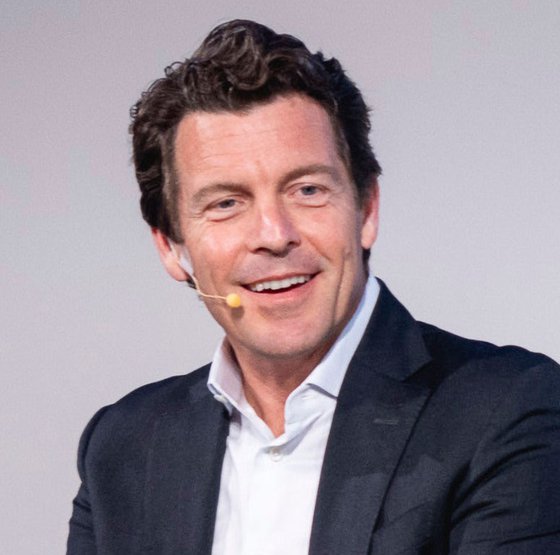

The fourth quarter 2025 was our busiest since 2021. I feel this year could play out very similarly
Brad Marshall
Global head of private credit strategies
Blackstone
LL: We’re hearing reports that Goldman Sachs and JPMorgan are starting to trade some private credit loans. What do you think about that trajectory and should the illiquidity premium still exist in that case?
BM: I’m a little bit sceptical on the trading. I know there’s lots of runs that get put out there. I think that if the private equity managers want private credit to trade more publicly — which feels like a weird sentence to say — then it’ll happen. But they are the ones that govern. Not JPMorgan, not other people that are trading — it’s the private equity managers, because they have to approve. They have to get financials over to these potential buyers. [It’s] a little bit easier if it’s inside an existing group. And they’re not set up for that. They don’t want it to happen.
So I just don’t see it growing, unless they are strong advocates for it, and they chose private credit for a reason. They want their partner, they want their flexibility, they want their structure, and they don’t want it trading on a screen. Because, by the way, when some manager is motivated to sell an asset and they sell at 95, if next week that sponsor says, hey, we want to raise USD 300m, will you finance that? We’re like, sure, we’ll do it at 95. And they don’t want that kind of dynamic.
LL: So there’s no incentive for them to want their loans to trade in the secondary market?
BM: I guess if they thought it would drive spreads lower, then that would be a marginal kind of benefit.
LL: What are you going be most busy with for the rest of the year?
BM: I think it’s going to be a very good opportunistic deal environment, because I think you’ve got maturities from the 2021 vintage that are going to come up. There are going be very interesting structures that get done. I think there’s going to be a lot of non-sponsor public company-type private credit financings.
LL: With IG, how big do you think it will be?
BM: I think it has real legs. It’s the same product in a sense. The thesis is the same, which is that you’re giving a company a direct solution. You’re getting 100-200bps of yield premium, spread premium, just for giving up liquidity. For insurance companies and other long-term investors, that’s a win.
LL: Do you have a name for the new era we’re going into here? It’s no longer the golden era.
BM: It’s the era of dispersion.
